Some products arrive with fanfare. Others earn their place slowly, through trust, repetition, and quiet excellence. Viola belongs firmly in the second camp.
Caputo’s has been importing olive oil from Azienda Agraria Viola since around the year 2000, long before Umbrian olive oil became fashionable, and long before most people were talking about phenolics, biodynamics, or early harvest. Over the years, our relationship with Viola has deepened not because trends changed, but because their farming, oils, and values never did.
If we are being completely honest, Viola is our family’s favorite olive oil. Not our best seller. Not our most approachable. Our favorite. And we are comfortable saying that plainly.
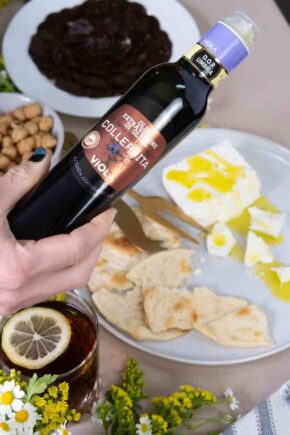
What Makes Viola Different Starts in the Ground
Viola is not just an olive oil producer. It is a working farm, and legumes are as important to that farm as olives.
Their groves are managed organically, with practices informed by biodynamic principles. One of the most meaningful details is their intercropping of heirloom beans, chickpeas, and legumes between olive trees. These plants naturally fix nitrogen, improving soil health without synthetic inputs, while encouraging microbial diversity and deeper root systems.
This kind of farming limits yield, increases labor, and rewards patience. It also produces fruit with concentration, structure, and intensity that cannot be manufactured later in the mill.
Why Umbrian Olive Oil Hits Differently
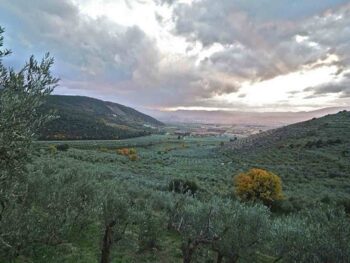 Umbria does not make olive oil easy.
The region’s steep, precipitous hillsides, gravelly soils, and wide day–night temperature swings force olive trees to struggle. Rain drains quickly. Nutrients are scarce. Growth is slow and uneven. Yields are naturally low.
That stress matters.
When olive trees work harder to survive, the fruit they produce is smaller and more concentrated. Oils from Umbria often show higher bitterness, stronger pungency, and deeper green character than those from gentler landscapes. This is not a stylistic choice made in the mill. It is a structural consequence of place.
Compared to Tuscany’s broader valleys or Sicily’s warmer, more forgiving climate, Umbria produces oils with tension and grip. These are oils built for definition rather than softness, and Viola leans fully into that reality.
Condimento, Not Cooking Oil
In Italy, oils like Viola’s are often referred to as condimenti. This distinction matters.
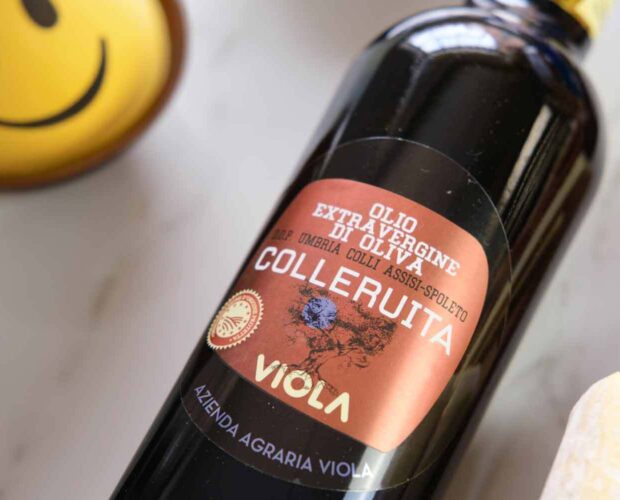
These are not neutral oils meant to disappear into a pan. They are oils meant to finish, define, and sometimes dominate a dish. A few drops can change the direction of a plate. This is especially true of oils like Colleruita, Sincero, and Nuovo, where bitterness, pungency, and green character are not flaws but features.
Viola’s oils are potent by design. They reward intentional use.
Milling With Restraint and Precision
Viola harvests early, mills immediately, and uses a centrifugal press to preserve aromatic clarity and phenolic strength. There is no chasing softness or mass appeal. Each oil reflects a decision about timing, variety, and intent.
- Almanacco: Draws depth from century-old Frantoio trees.
- Colleruita: Expresses place through its D.O.P. structure.
- Il Sincero: Showcases Moraiolo’s grip and vegetal force.
- Nuovo: Captures the first, electric moment of harvest.
Each oil has a reason to exist.
Recognition Without Chasing It
Viola is consistently recognized by Flos Olei as one of Italy’s benchmark producers, with multiple top scores over many years. Il Sincero’s induction into the Flos Olei Hall of Fame places it among a very small group of oils recognized not for a single vintage, but for sustained excellence.
Awards are not the point. Consistency is.
Why Nuovo Arrives by Air
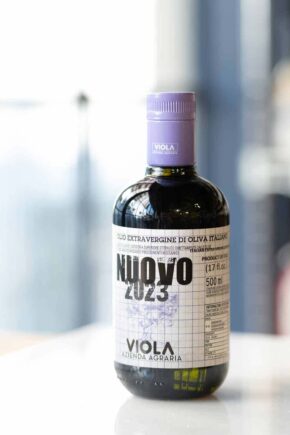 We do not generally air ship products. The environmental cost matters to us.
Nuovo is the exception.
New harvest olive oil is fleeting by nature. It arrives in December, right when the northern hemisphere has lost access to vibrant gardens and farmers markets. Its neon green color and raw energy feel almost medicinal. It wakes up winter cooking. It reminds you what fresh really tastes like.
For this oil, timing matters more than ideology. We make the exception intentionally.
Viola Beyond Olive Oil
Viola’s legumes are not side projects. Beans, chickpeas, and grains are integral to their farm system and their philosophy.
- Cannellini Beans: Classic and honest, with proper texture and clean flavor.
- Purgatory Beans: Heirloom, rare, and deeply satisfying.
- Black Chickpeas: Dense, mineral, and built for long cooking.
These are pantry ingredients with gravity. They cook the way food used to.
A Constant in Our Kitchens
Over the past 25 years, many products have passed through our shelves. Viola has remained.
We cook with it at home. We finish dishes with it instinctively. We reach for it not because it is rare or expensive, but because it makes food taste more alive.
That is ultimately the highest compliment we can give.
Explore Viola Extra Virgin Olive Oils and Viola Heirloom Legumes online, or visit any Caputo’s location to taste them fresh.
Recipes Featuring Viola
(Placeholders — to be added by Adri)
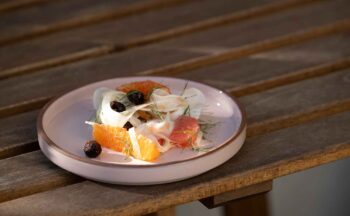
Citrus Fennel Salad
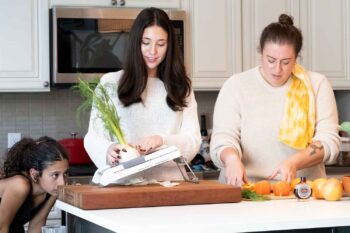
Citrus and fennel is a classic Mediterranean combination. Bitter, sweet, crisp, and fresh. It shows up across Italy, Greece, and southern France for a reason. It wakes everything up.
Viola Peaches and Cream
A twist on a Summertime Classic, Viola Whipped Cream is sure to please.
Italian Beans with Spicy Alaskan Octopus
Enjoy fresh, Alaskan octopus from our friends at Wildfish Cannery, marinated in Bullwhip Hot Sauce from their neighbors at Barnacle, sitting atop perfectly seasoned beans. Take these flavors to the moon with a heathy drizzle of our favorite condiment grade olive oil from Italy: Viola Colleruita
Frequently Asked Questions
What makes Umbrian extra virgin olive oil unique compared to Tuscan or Sicilian oils?
Umbria’s steep terrain, rocky soils, and drastic day-night temperature changes cause olive trees to struggle. This natural stress results in smaller, highly concentrated olives that produce oils with intense green character, higher phenolic content, pungency, and structured bitterness.
What is the difference between a finishing oil (condimento) and a cooking oil?
A finishing oil (condimento) like Viola is not meant for high-heat frying or hiding in a recipe. It is vibrant, potent, and expressive, crafted to be drizzled over finished dishes to define, brighten, and enhance the final plate.
Why does Caputo’s air-ship Viola Olio Nuovo every December?
Olio Nuovo is the un-filtered, fresh-pressed first harvest oil of the season. Air-shipping guarantees it arrives at peak vibrancy in winter when fresh flavors are rarest, delivering a raw, peppery, neon-green oil at its absolute prime.
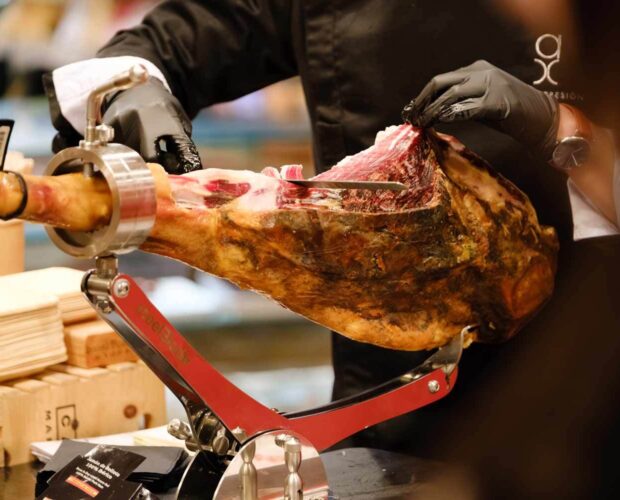
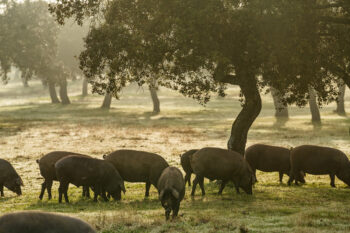 the pigs stay lean alongside it. Then the Montanera arrives.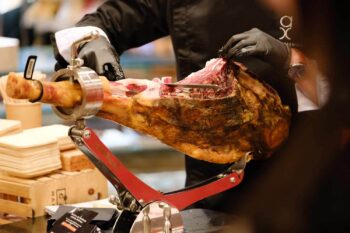
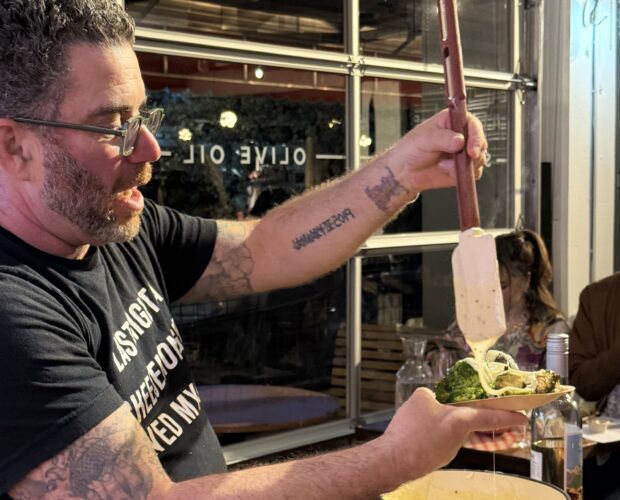
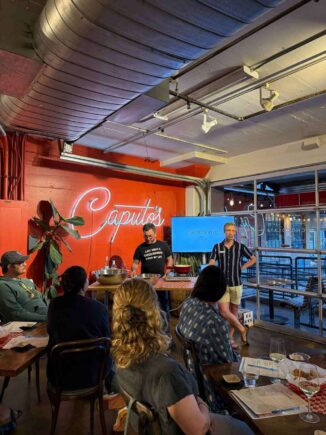 Adam founded the Cheesemonger Invitational in 2010, a competition that has become the defining event in American cheesemongering. Candidates are tested on technical knowledge, cutting precision, salesmanship, and palate. Through Columbia Cheese and Larkin Warehouse, he has spent decades connecting American retailers with some of the finest producers in the world.
 Climbing sessions at the gym, because Max competes and takes it seriously. Dinners at the Caputo home and around Salt Lake City.
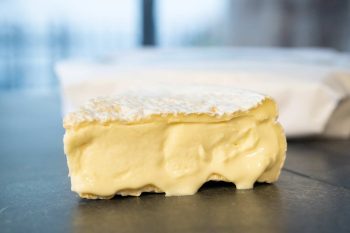
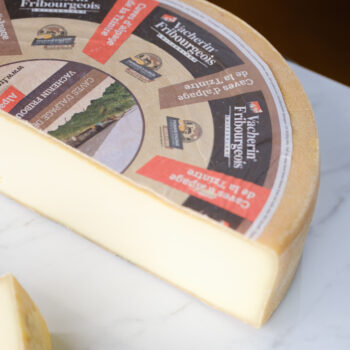 Vacherin Fribourgeois is the quieter of the two, which is not the same as simple. Made in the canton of Fribourg in western Switzerland, it is an AOP-protected washed-rind wheel with a dense, supple paste and a flavor that starts mild and creamy and gets progressively funkier with age. Someone at the class described notes of rubber band, and they were not wrong. That edge is part of what makes it interesting in the pot rather than just creamy. The Alpage designation means the milk came from cows at high-altitude summer pasture, when the grazing is at its most complex and that complexity carries through to the cheese.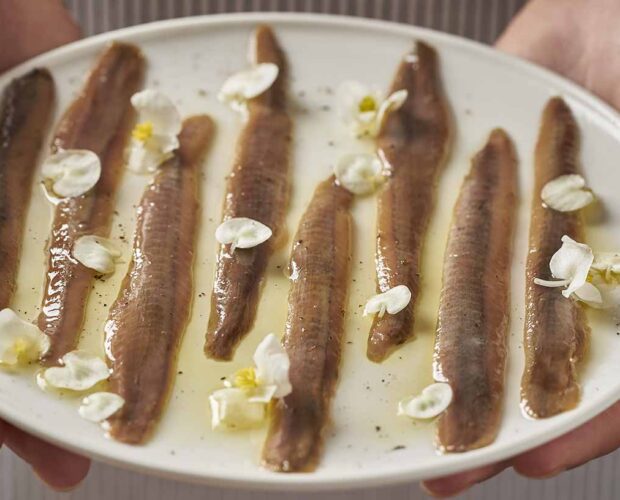
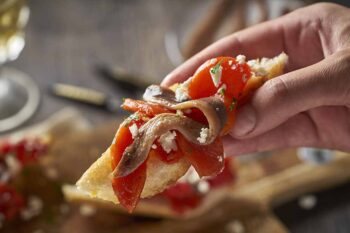 Not all anchovies are the same, and not all anchovies should be treated the same.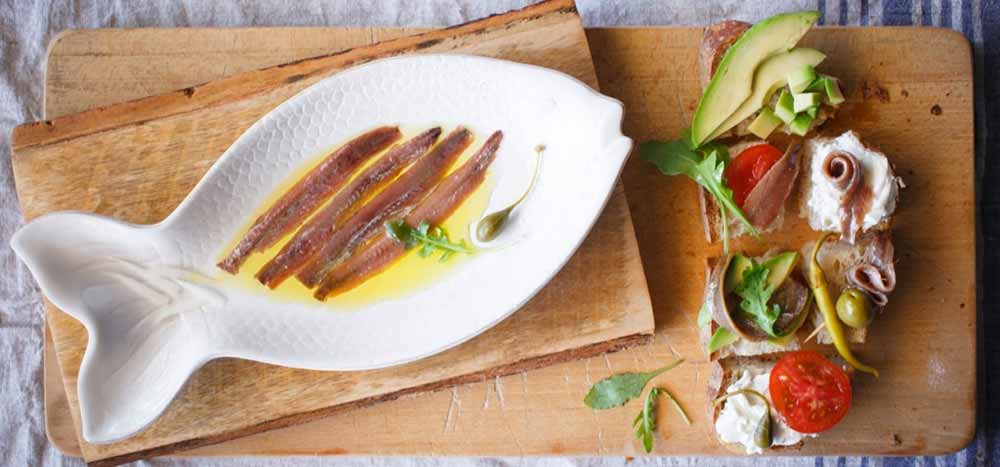
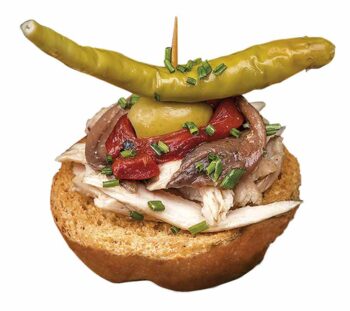 This is the simplest and most revealing way to understand anchovy quality.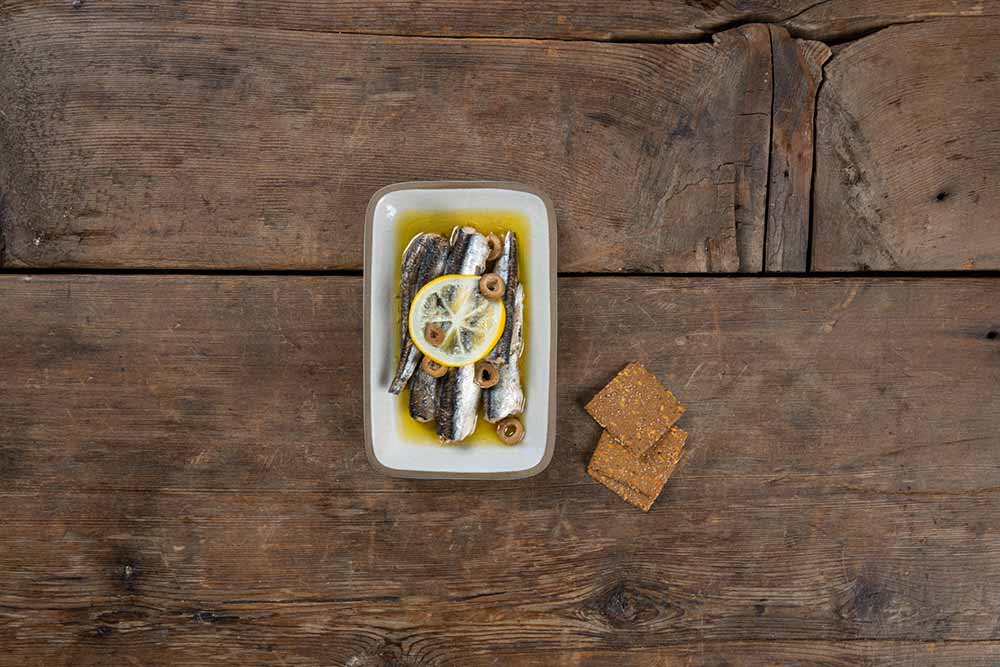
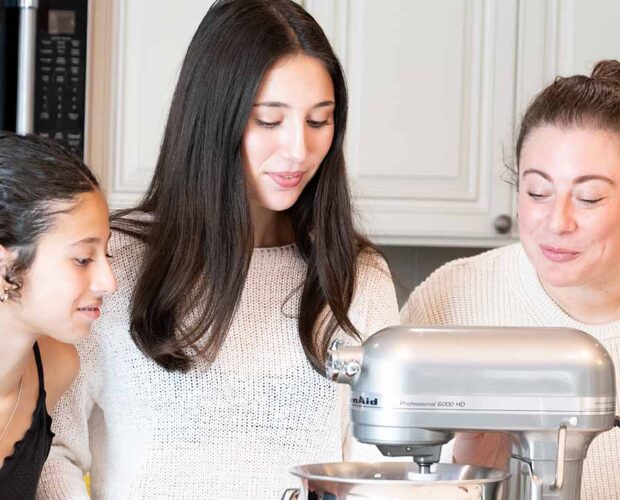

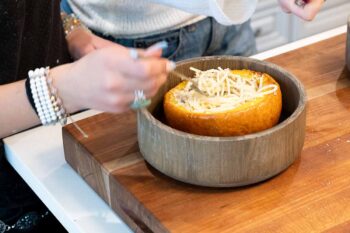 Frankie does not overthink things, and neither does this pasta.
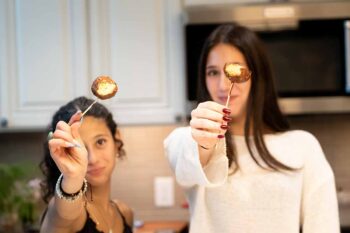 If truffle pasta shows Frankie’s authority, cake pops show her joy.
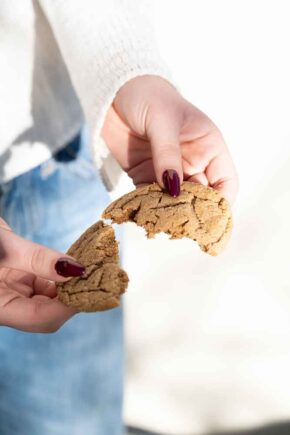 Gia brings curiosity, thoughtfulness, and precision to her cooking. She likes flavor that builds and lingers. Chai lattes are her favorite drink, so cookies with chai bitters feel exactly right for her.
 Every spread needs something that cuts through richness. This is Adri’s lane.